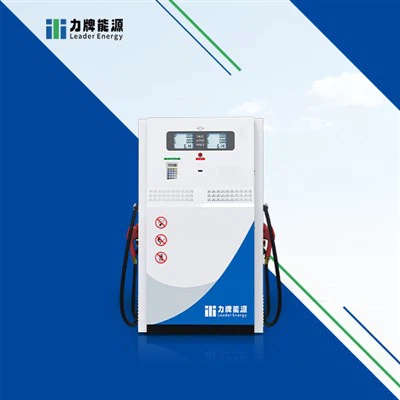
As a reputable supplier of fuel pump equipment, I've witnessed firsthand the critical role that fuel pump controllers play in the efficient and safe operation of fuel pump systems. In this blog post, I'll delve into the various functions and significance of fuel pump controllers, shedding light on why they are indispensable components in the fuel dispensing industry.
Understanding the Basics of Fuel Pump Controllers
A fuel pump controller is an electronic device that manages the operation of a fuel pump. Its primary function is to regulate the flow of fuel from the storage tank to the dispensing nozzle, ensuring that the right amount of fuel is delivered at the correct pressure. This is achieved through a combination of sensors, relays, and control algorithms that work together to monitor and adjust the pump's performance in real-time.
One of the key features of a fuel pump controller is its ability to maintain a consistent flow rate. This is crucial for accurate fuel metering and dispensing, as any fluctuations in flow can lead to inaccurate measurements and potential customer dissatisfaction. By continuously monitoring the flow rate and adjusting the pump's speed accordingly, the controller ensures that the fuel is dispensed at a steady and precise rate, regardless of changes in demand or system conditions.
Ensuring Safety and Compliance
In addition to regulating the flow of fuel, fuel pump controllers also play a vital role in ensuring the safety and compliance of fuel pump systems. They are equipped with a range of safety features, such as overcurrent protection, overvoltage protection, and short-circuit protection, which help to prevent damage to the pump and other components in the event of a fault or malfunction.
Another important safety feature of fuel pump controllers is their ability to detect and respond to leaks. Many modern controllers are equipped with leak detection sensors that continuously monitor the fuel system for any signs of leakage. If a leak is detected, the controller will automatically shut down the pump and activate an alarm to alert the operator. This helps to prevent fuel spills and minimize the risk of fire or explosion.
Fuel pump controllers also play a crucial role in ensuring compliance with industry standards and regulations. They are designed to meet the strict requirements of organizations such as the National Fire Protection Association (NFPA) and the Underwriters Laboratories (UL), which set the safety and performance standards for fuel pump systems. By using a compliant fuel pump controller, fuel pump equipment suppliers can ensure that their products meet the highest standards of safety and reliability.
Enhancing Efficiency and Performance
In addition to ensuring safety and compliance, fuel pump controllers can also help to enhance the efficiency and performance of fuel pump systems. They are designed to optimize the operation of the pump, reducing energy consumption and minimizing wear and tear on the components.
One way that fuel pump controllers enhance efficiency is by using variable speed drives (VSDs). VSDs allow the pump to operate at different speeds depending on the demand for fuel, which helps to reduce energy consumption and improve the overall efficiency of the system. By adjusting the pump's speed to match the flow rate required, the controller can ensure that the pump is operating at its most efficient point, reducing energy waste and saving money on operating costs.
Fuel pump controllers can also help to improve the performance of fuel pump systems by providing advanced diagnostic and monitoring capabilities. Many modern controllers are equipped with built-in diagnostic tools that allow operators to monitor the performance of the pump and other components in real-time. This helps to identify potential issues before they become major problems, allowing for timely maintenance and repairs.
Applications of Fuel Pump Controllers
Fuel pump controllers are used in a wide range of applications, including Portable Fuel Dispenser Pump, Filling Station Pump, and Filling Station Petrol Pump. They are also used in industrial applications, such as fueling vehicles, aircraft, and machinery.
In portable fuel dispenser pumps, fuel pump controllers are used to regulate the flow of fuel from the storage tank to the dispensing nozzle. They are designed to be compact and lightweight, making them easy to install and use in a variety of settings. Portable fuel dispenser pumps are commonly used in construction sites, agricultural operations, and other remote locations where a reliable source of fuel is needed.
In filling station pumps, fuel pump controllers are used to manage the operation of multiple pumps and dispensers. They are designed to be highly reliable and efficient, ensuring that the fuel is dispensed accurately and safely. Filling station pumps are used in gas stations, truck stops, and other fueling facilities, where they are required to handle high volumes of fuel on a daily basis.
In industrial applications, fuel pump controllers are used to fuel vehicles, aircraft, and machinery. They are designed to be rugged and durable, capable of withstanding harsh environments and heavy use. Industrial fuel pump controllers are commonly used in mining operations, oil and gas fields, and other industrial settings where a reliable source of fuel is essential.


Conclusion
In conclusion, fuel pump controllers play a critical role in the efficient and safe operation of fuel pump systems. They are responsible for regulating the flow of fuel, ensuring safety and compliance, enhancing efficiency and performance, and providing advanced diagnostic and monitoring capabilities. As a fuel pump equipment supplier, I understand the importance of using high-quality fuel pump controllers in our products. By choosing a reliable and efficient fuel pump controller, we can ensure that our customers receive the best possible performance and reliability from their fuel pump systems.
If you're interested in learning more about our fuel pump equipment or would like to discuss your specific requirements, please don't hesitate to contact us. Our team of experts is always available to answer your questions and provide you with the information you need to make an informed decision. We look forward to hearing from you and working with you to meet your fuel pump equipment needs.
References
- National Fire Protection Association (NFPA). NFPA 30: Flammable and Combustible Liquids Code.
- Underwriters Laboratories (UL). UL 87A: Standard for Safety for Dispensing Devices for Flammable and Combustible Liquids.
- American Petroleum Institute (API). API 1581: Manual of Petroleum Measurement Standards, Chapter 15.8: Fuel Dispenser Calibration.