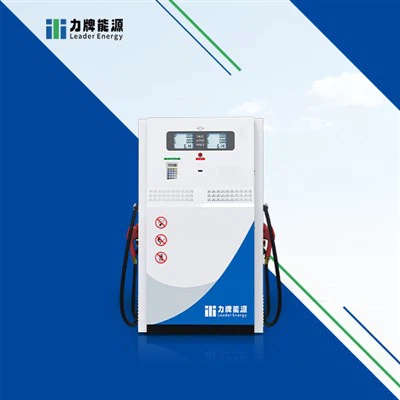
As a supplier of Portable Gas Stations, I've been in this industry long enough to understand the ins and outs of these convenient fueling solutions. One question that often comes up from customers, potential buyers, and even those just curious about our Portable Gas Station is, "What is the risk of explosion in a portable gas station?" Let's dig into this topic and break it down in a way that's easy to understand.
Understanding the Basics of a Portable Gas Station
First off, let's clear up what a portable gas station is. These are compact, mobile units designed to provide fuel on - the - go. They're great for remote worksites, construction areas, or even for emergency situations where access to a traditional gas station is limited. We offer different types, like the Mini Skid Fuel Station and Mini Portable Gas Station, each with their own unique features and capacities.
The Gasoline Factor
Gasoline, the main fuel stored in portable gas stations, is highly flammable. It has a low flash point, which means it can easily turn into vapor and form an ignitable mixture with air. When this mixture reaches the right ratio of fuel to air, and there's an ignition source, an explosion can occur. This is the fundamental risk associated with any place where gasoline is stored or dispensed, and portable gas stations are no exception.
Potential Ignition Sources
There are several potential ignition sources that could trigger an explosion in a portable gas station. Static electricity is one of the most common ones. When fuel is being pumped, there's friction between the fuel and the walls of the pipes or hoses. This friction can generate static charges. If these charges aren't properly grounded, a spark can occur, and that's all it takes to ignite the gasoline vapor.
Open flames are another obvious ignition source. Smoking near a portable gas station is a huge no - no. Even a small match or a lit cigarette can set off an explosion. Electrical equipment can also be a problem. Faulty wiring, short circuits, or even the normal operation of some electrical devices can produce sparks.
Environmental Factors
The environment where the portable gas station is located plays a big role in the explosion risk. High temperatures can increase the rate of gasoline evaporation, leading to a higher concentration of vapor in the air. If the area is poorly ventilated, these vapors can build up and reach explosive levels.


Humidity can also have an impact. In dry conditions, static electricity is more likely to build up. On the other hand, extremely wet conditions might cause corrosion in the storage tanks or pipes, which could lead to leaks and potentially more dangerous situations.
Safety Features and Precautions
Now, the good news is that we design our portable gas stations with a whole bunch of safety features to minimize the explosion risk. For starters, all our tanks are made from high - quality, corrosion - resistant materials to prevent leaks. They also have built - in pressure relief valves. These valves open up when the pressure inside the tank gets too high, releasing excess vapor and preventing the tank from bursting.
We also include grounding systems to dissipate static electricity. When the portable gas station is in use, it must be properly grounded to a suitable grounding point. This ensures that any static charges are safely conducted away, reducing the risk of a spark.
In addition, our portable gas stations come with fire - resistant enclosures. These enclosures are designed to contain any fire that might start, preventing it from spreading and causing a larger explosion.
Training and Maintenance
Along with the safety features, proper training and regular maintenance are essential to keep the explosion risk low. Operators of portable gas stations need to be trained on how to use the equipment safely. They should know how to handle fuel, how to operate the pumps, and what to do in case of an emergency.
Regular maintenance checks are also crucial. This includes inspecting the tanks for leaks, checking the pressure relief valves, and testing the grounding systems. Any issues should be fixed immediately to prevent potential problems.
Comparing Risks
It's important to put the risk of explosion in a portable gas station into perspective. While there is a risk, it's not significantly higher than that of a traditional gas station. In fact, portable gas stations are often used in controlled environments, such as private construction sites, where the risk can be better managed. Traditional gas stations, on the other hand, are open to the public and have to deal with a larger volume of traffic and a wider range of potential ignition sources.
What We're Doing to Make It Safer
As a supplier, we're constantly working on improving the safety of our portable gas stations. We invest in research and development to find new materials and technologies that can further reduce the explosion risk. We're also in close contact with our customers to get feedback on the safety features and operation of our products. This helps us make better - designed stations that are even safer to use.
Buying a Portable Gas Station
If you're in the market for a portable gas station, whether it's for your construction business, a remote operation, or an emergency preparedness plan, it's important to understand the associated risks and the safety features that come with the product. Our company is dedicated to providing high - quality, safe Portable Gas Stations, Mini Skid Fuel Stations, and Mini Portable Gas Stations.
We're here to answer all your questions, help you choose the right product for your needs, and provide you with the support you need to operate it safely. If you're interested in learning more about our products or starting a purchase discussion, reach out to us. We'll be happy to guide you through the process and make sure you get the best portable gas station for your requirements.
References
- Gasoline Safety Manual - Department of Energy
- Fire Protection Guidelines for Fuel Storage Facilities - National Fire Protection Association