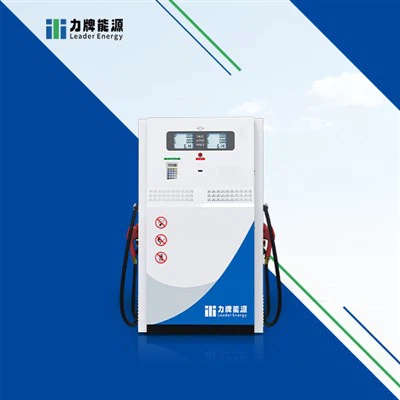
Commercial fuel pumps are essential components in the fueling industry, ensuring the efficient and accurate delivery of fuel to various vehicles and equipment. As a commercial fuel pump supplier, I understand the importance of maintaining the proper pressure in these pumps. In this blog post, I will share some valuable insights on how to check the pressure of a commercial fuel pump.
Understanding the Importance of Fuel Pump Pressure
Before delving into the process of checking fuel pump pressure, it's crucial to understand why it matters. The pressure of a fuel pump directly affects the performance of the entire fueling system. If the pressure is too low, the fuel may not reach the engine or equipment at the required rate, leading to poor performance, reduced power, and even engine stalling. On the other hand, excessive pressure can cause damage to the fuel lines, injectors, and other components of the system. Therefore, maintaining the correct pressure is vital for the smooth operation and longevity of the fueling system.
Tools Required for Pressure Checking
To check the pressure of a commercial fuel pump, you will need the following tools:
- Fuel Pressure Gauge: This is the primary tool for measuring the pressure in the fuel system. Make sure to choose a gauge that is compatible with the type of fuel pump you are working with.
- Wrenches and Socket Set: These tools are necessary for removing and installing the fittings and hoses in the fuel system.
- Safety Equipment: Wear safety glasses and gloves to protect yourself from fuel spills and potential hazards.
Step-by-Step Guide to Checking Fuel Pump Pressure
Now, let's walk through the process of checking the pressure of a commercial fuel pump:


Step 1: Prepare the Vehicle or Equipment
Before starting the pressure check, ensure that the vehicle or equipment is parked on a level surface and the engine is turned off. This will prevent any accidental fuel spills or injuries.
Step 2: Locate the Fuel Pressure Test Port
The fuel pressure test port is usually located on the fuel rail or near the fuel pump. Refer to the vehicle or equipment's service manual to find the exact location of the test port.
Step 3: Connect the Fuel Pressure Gauge
Once you have located the test port, use the appropriate fittings to connect the fuel pressure gauge to the port. Make sure the connections are tight to prevent any fuel leaks.
Step 4: Start the Engine
With the fuel pressure gauge connected, start the engine and let it idle. The gauge will display the current fuel pressure in the system.
Step 5: Check the Pressure Reading
Compare the pressure reading on the gauge with the specifications provided by the vehicle or equipment manufacturer. If the pressure is within the recommended range, the fuel pump is functioning properly. However, if the pressure is too low or too high, further investigation is required.
Step 6: Test the Pressure Under Load
To get a more accurate assessment of the fuel pump's performance, you can also test the pressure under load. This can be done by revving the engine or operating the equipment at different speeds. Observe the pressure gauge to see if the pressure remains stable or fluctuates.
Step 7: Inspect for Leaks
After completing the pressure test, carefully inspect the fuel lines, fittings, and connections for any signs of leaks. If you notice any leaks, tighten the connections or replace the damaged components as necessary.
Troubleshooting Low or High Fuel Pressure
If the fuel pressure is too low or too high, there could be several possible causes. Here are some common issues and their solutions:
Low Fuel Pressure
- Clogged Fuel Filter: A clogged fuel filter can restrict the flow of fuel and cause low pressure. Replace the fuel filter to restore normal pressure.
- Weak Fuel Pump: A worn-out or malfunctioning fuel pump may not be able to generate enough pressure. Consider replacing the fuel pump if necessary.
- Leaking Fuel Lines: Leaks in the fuel lines can cause a drop in pressure. Inspect the fuel lines for any signs of damage or leaks and repair or replace them as needed.
High Fuel Pressure
- Faulty Pressure Regulator: A faulty pressure regulator can cause the fuel pressure to exceed the recommended range. Replace the pressure regulator to correct the issue.
- Blocked Fuel Return Line: A blocked fuel return line can prevent the excess fuel from returning to the tank, resulting in high pressure. Check the fuel return line for any blockages and clear them if necessary.
- Incorrect Fuel Pump Installation: If the fuel pump is not installed correctly, it may cause high pressure. Make sure the fuel pump is installed according to the manufacturer's instructions.
Importance of Regular Pressure Checks
Regularly checking the pressure of your commercial fuel pump is essential for maintaining its performance and reliability. By detecting and addressing any pressure issues early on, you can prevent costly repairs and downtime. It is recommended to check the fuel pump pressure at least once a year or as recommended by the vehicle or equipment manufacturer.
Conclusion
Checking the pressure of a commercial fuel pump is a relatively simple process that can help ensure the proper functioning of your fueling system. By following the steps outlined in this blog post and using the right tools, you can easily monitor the pressure and identify any potential issues. Remember to always refer to the vehicle or equipment's service manual for specific instructions and safety precautions.
If you are in the market for a high-quality commercial fuel pump, we are here to help. As a leading Mobile Fuel Dispenser, Gas Petrol Pump, and Self Service Fuel Dispenser supplier, we offer a wide range of fuel pumps and related products to meet your needs. Contact us today to discuss your requirements and explore our product offerings.
References
- Vehicle and equipment service manuals
- Fuel pump manufacturer's specifications